2026 Book Awards
The winners of the 2026 Photography and Moving Image Book Awards have been announced.
Onyeka Igwe and Sasha Kurmaz have been awarded the 2026 Kraszna-Krausz Book Awards. The two winning titles have been chosen as exemplary demonstrations of originality and excellence in the fields of moving image and photography book publishing.
25 June 2026
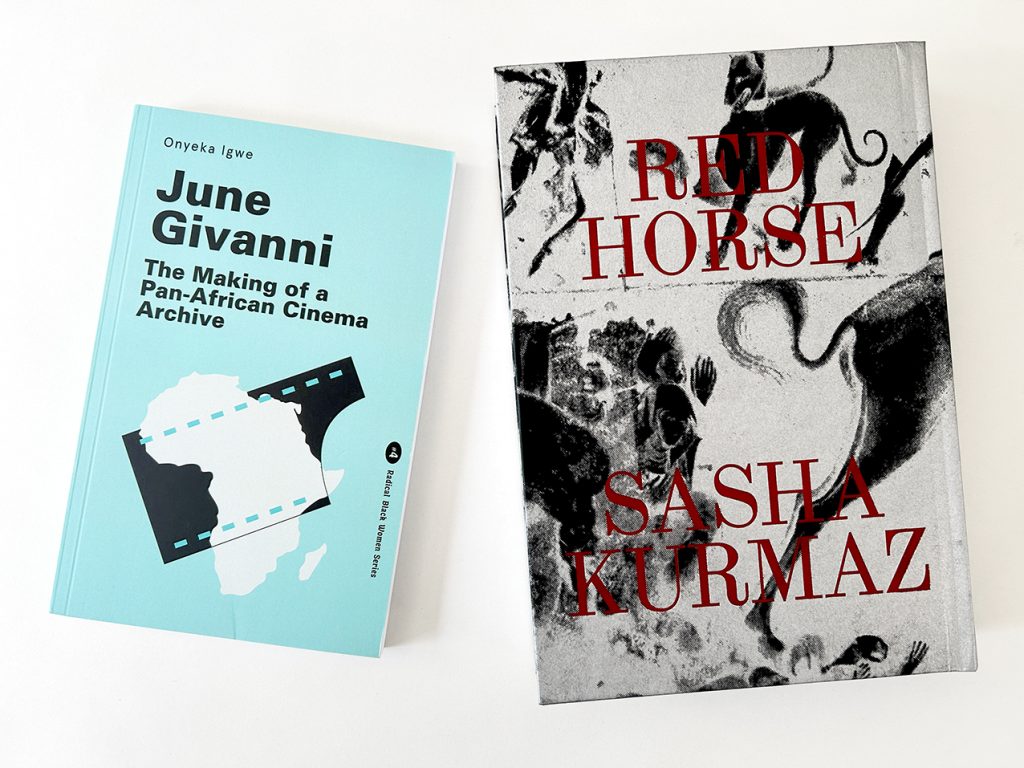
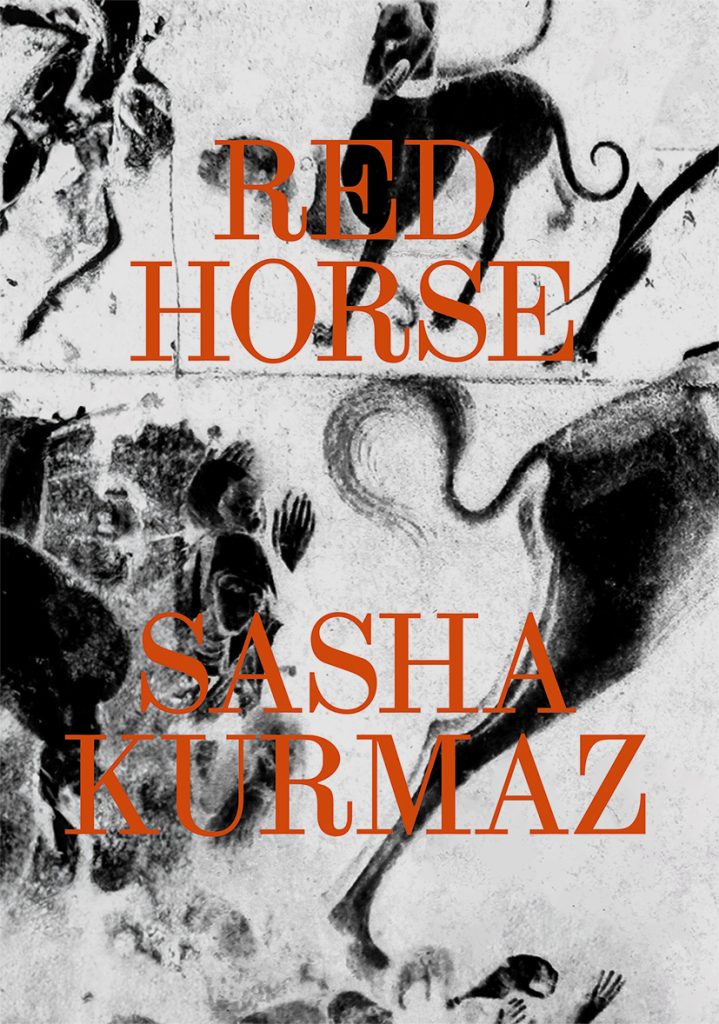
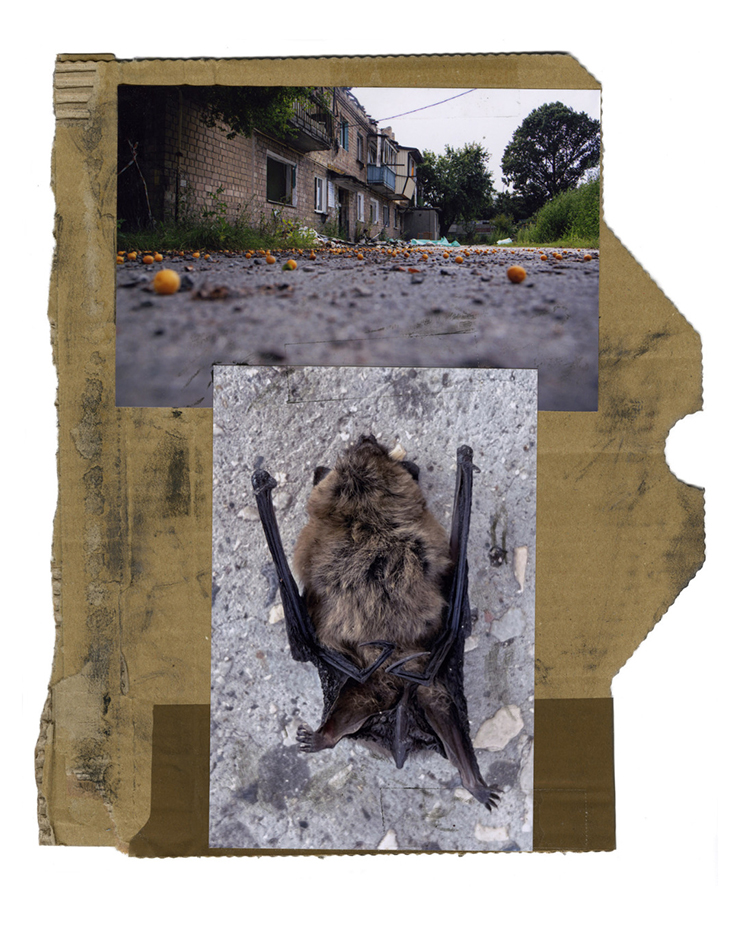
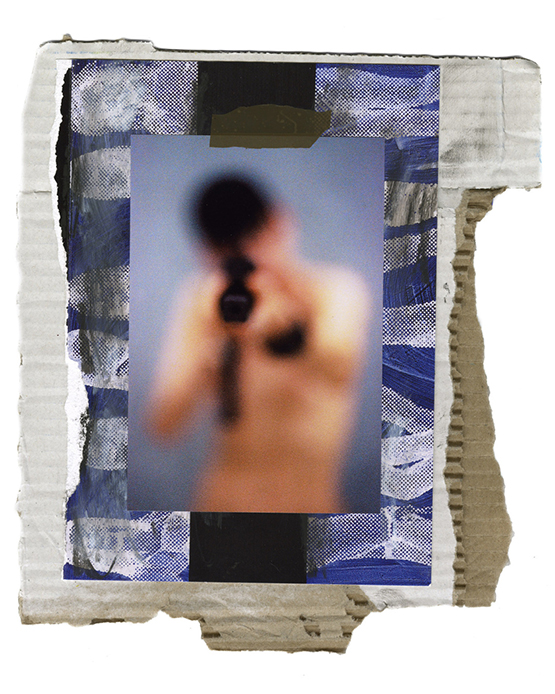
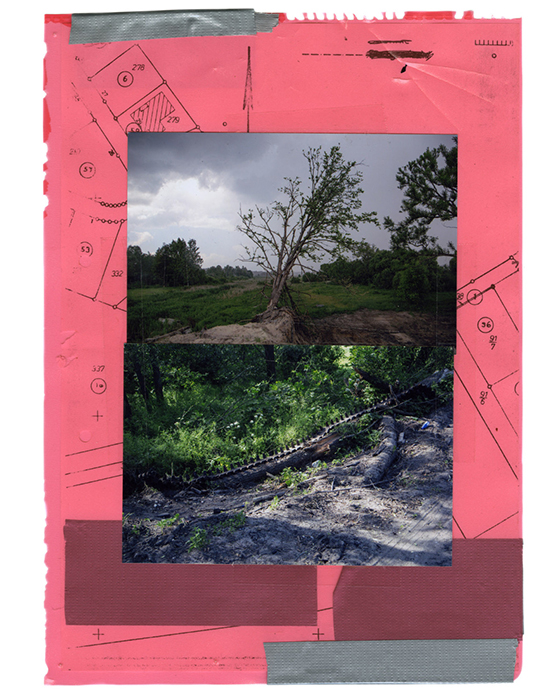
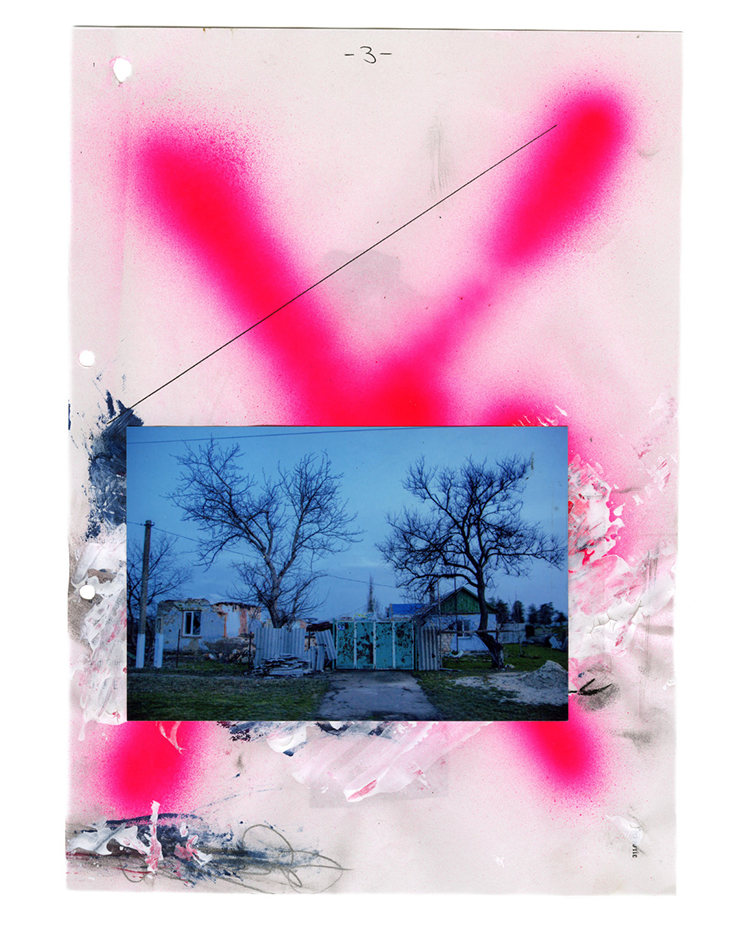
Sasha Kurmaz wins the 2026 Kraszna-Krausz Photography Book Award for Red Horse (published by Éditions Images Vevey). An ongoing project launched after the full-scale Russian invasion of Ukraine in 2022, Red Horse takes the form of a visual diary, composed of daily collages made from personal documentary photos, found images, notes, drawings, and things found on the street. The work conveys Sasha Kurmaz’s personal testimony about life in Ukraine and how it is constantly reshaped under the destructive power of war as he captures both his personal life and the lives of people around him who are trying to survive in conditions of constant danger.
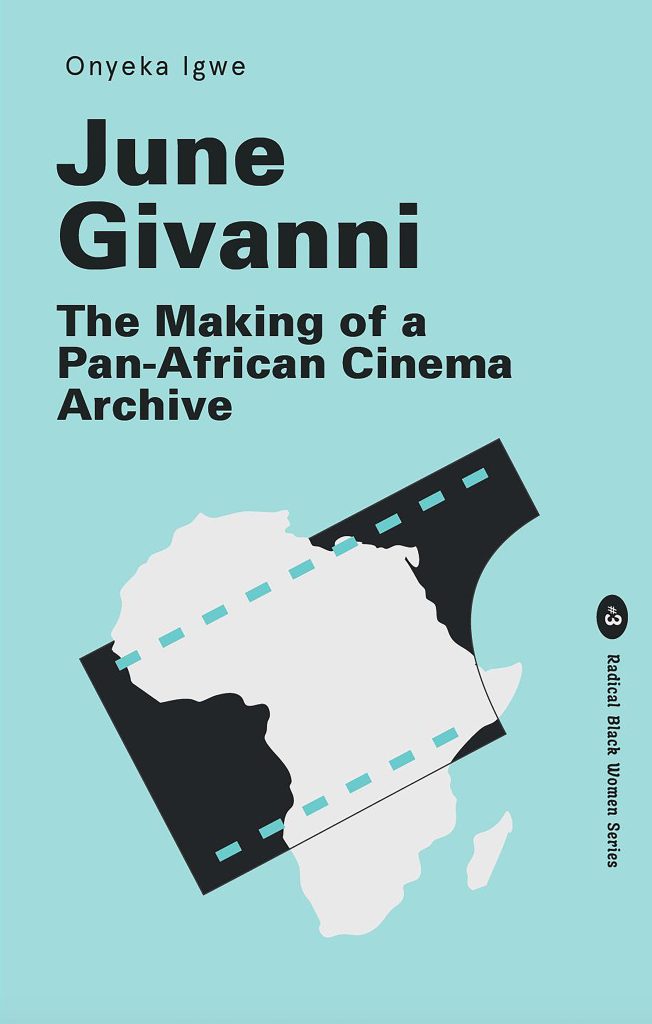
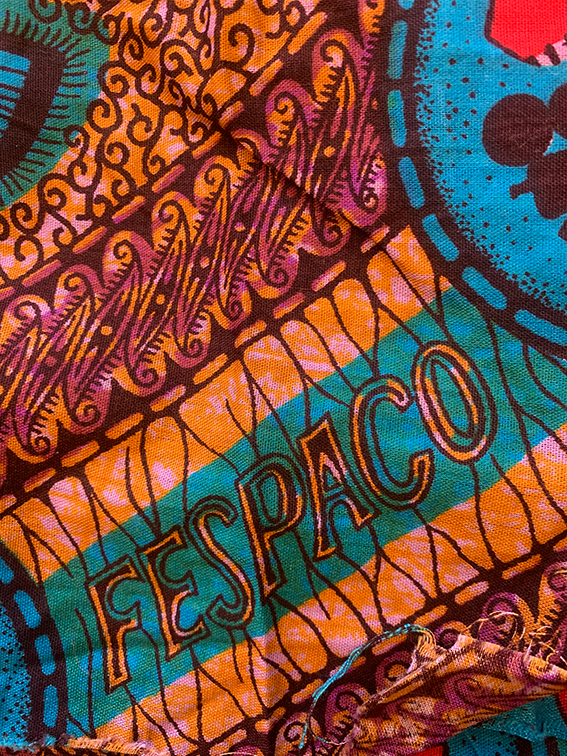
Onyeka Igwe wins the 2026 Kraszna-Krausz Moving Image Book Award for June Givanni: The Making of a Pan-African Cinema Archive (published by Lawrence Wishart). Using original oral history research with BAFTA award-winning curator and film programmer, June Givanni, and other key figures in Pan-African and Black British cinema, author Onyeka Igwe uncovers the important role that women festival organisers, programmers and cultural workers have played in Pan-African cinema history. Through Givanni’s private archive of thousands of films from across Africa, the Caribbean and the diaspora amassed in a career spanning more than forty years, Igwe offers a way to encounter Pan-African film and preserve Givanni’s work and knowledge for future generations.
The winners share a £10,000 prize fund and events will take place in the autumn celebrating their books. These will take place in London in collaboration with the Barbican for the Moving Image book award and with the V&A, South Kensington for the Photography book award. Further details will be announced soon. Sign up to our mailing list to hear more.
The winning, short and longlisted books were displayed at Photo London in May 2026, and in Hove as part of the POST x Kraszna-Krausz Photobook Weekender (4 – 5 July 2026). They will be on show at the BOP Festival in Bristol on the 17 and 18th October, 2026.
Thank you to this year’s judges –
Photography: Jermaine Francis, Fiona Rogers & Diane Smyth
Moving Image: Ellen E Jones, Dr Agata Lulkowska and Professor David Martin-Jones
On ‘Red Horse’
“A wild ride through the contemporary realities of war, Red Horse is also a moving meditation on the nature of photography and the value of individual experience. Rough, DIY, and heartfelt, Kurmaz’s collages abandon the apparently objective documentary image or photograph as a window on the world, to speak instead of how we relate to each other, and how images now intersect with that. The book’s relatively small proportions but numerous, fine-papered pages create a sense of compulsion and urgency – this is art as expression and communication, and the unanimous winner of the Award.”
Diane Smyth, Photography Book Award Judge 2026
On ‘June Givanni: The Making of a Pan-African Cinema Archive’
“This eye-opening, rewarding and extremely enjoyable book illuminates how crucial the often unrewarded work of the film archive is to our collective remembrance of global filmmaking. If ever the words “you must remember this” should be applied to a book about films, it is here. What jumps off the page is the labour of love involved in constructing a Pan-African Cinema Archive. This book does the valuable work of bringing to light what is in the archive, and as such it is a real find.”
Professor David Martin-Jones, Moving Image Book Award Judge 2026
The archive, both historic and personal, as a means of posing questions of authorship and authenticity, dominates the winning, short and longlisted titles selected for the 2026 edition of the Kraszna-Krausz Book Awards. Deeply personal approaches to race, representation, identity, and sexuality; notions of ‘the other’; and the preservation and transformation of the past feature throughout the selections.
The longlisted publications were exhibited by the Foundation at this year’s Photo London (13 – 17 May 2026) and will be on display later in the summer as part of the POST x Kraszna-Krausz Photobook Weekender (4 – 5 July 2026).
The Kraszna-Krausz Book Awards, first established in 1985, are open to all Moving Image and Photography books published in the previous year and available in the UK. The Awards celebrate creativity and rigour within the publishing industry.
2026 Photography Book Award Shortlist
“‘The Fold’ offers a compelling reassessment of photography’s colonial entanglements and its fixation on “the other.” Drawing on the unusual archive of Gaëtan Gatian de Clérambault (1872–1934) and his photographs of veiled subjects, Hoda Afshar stages a critical intervention through cropping, fragmentation, and repetition. The cumulative effect is dizzying and deliberately disorientating. In reworking these images, Afshar destabilizes notions of the exotic, confronting the persistent complexities surrounding women, visibility and concealment.”
Fiona Rogers
“Following her father in his last week as a beauty-product salesman, Janet Delaney’s book is a gentle, humorous and ultimately moving portrait of a man and his work. Including transcripts of conversations with and between her father and his customers, plus moving texts by Delaney and her mother, the book shows the value of an easily overlooked community.”
Diane Smyth
“‘Red Horse’ is a personal testimony of a contemporary war, a visceral album of living in the realities of modern conflict, specifically the war in Ukraine. Sasha Kurmaz creates multiple pages that embody the precariousness of existence, each presenting the raw brutality of conflict. The book serves as an archive of his everyday life and the lives of those around him, its pages constantly being reshaped by the war.”
Jermaine Francis
“The book explores the idea of the unfixed nature of photography and, in this context, the documentary genre. It expands the production of meaning, providing a multiplicity of considerations, an attack on reductionism. Additionally, what makes this book special is that it functions as a specific object, where its materiality is directly interconnected with the reading of the photographs. For example, the design creates a fragility in the structure of the book and works into the concept of instability. Details are revealed, and relationships are disrupted and reconsidered.”
Jermaine Francis
2026 Photography Book Award Longlist
“A playful yet provocative critique of the legacies and circulation of African art, ‘A Reprise’ functions as a reparative gesture through staged photography and Dada-inspired collage. Drawing on Walker Evans’ 1935 commission by the Museum of Modern Art to document objects from the exhibition African Negro Art, David Alekhuogie remixes these black-and-white images with vibrant African textiles, offering an alternative perspective while raising vital questions about authenticity and artistic authorship.”
Fiona Rogers
“Featuring tightly-cropped frames of often disorientating scenes, ‘Sound the Sirens’ is a compelling insight into the reality of climate change. Eschewing straight narratives that retain our sense of control or even distance, it lays out our messy impending future with a sense of the chaos it will evoke.”
Diane Smyth
“Arthur Tress’ beautiful, tender and surreal photographs document the cruising scene in the artificially created woodland area known as The Ramble, a queer space that existed in 1960s Central Park. This book is about the act of looking; men looking at men cruising; Arthur Tress looking at them through his lens; and now us, as participants in this process decades later. Unlike other projects of this genre, which can sometimes be voyeuristic and anthropological, the participatory process created in this book is what helps take these images into a different space.”
Jermaine Francis
“A simple, witty idea, ‘MAN’ deftly uses the format of the photobook to comment on the central position men have quite literally occupied. Allowing individuals’ own hubris to work against them, and losing them in the gutter, the concept is accelerated to the max by sheer number – at well over 700 pages, this small but chunky book shows the men’s behaviour to be endemic and sociological if often unconscious. The book also does something quietly radical, refocusing attention on the women previously held in peripheral vision.”
Diane Smyth
“‘The Weight of the Word’ is quietly chilling. Combining archival medical images, official portraits, and shots of talks and events, it suggests the role photography played in legitimising and promoting nine Nazi doctors and their dehumanising views. The modest production of the book, which has soft covers and minimal borders, suggests a compelling sense of gravity and economy – this is information that needs to be shared, not a luxurious overproduced tome destined to die on the coffee table.”
Diane Smyth
“This beautiful book weaves a curious mix of 1950s vintage nostalgia with the faded glamour of 1990s Hollywood. Drawing deeply on the history and language of cinema, ‘Swan Moon’s Swan Moon’ deftly combines portraiture and performance in luminous black and white, each image a still from an imagined film in which Moon and her friends occupy central characters. The work offers a distinctive perspective on youth culture and the enduring concept of the American dream.”
Fiona Rogers
“This book is a gift, one of real importance and significance. It destroys the preconceptions of Black presence only after Windrush, presenting a collection of Black portraiture from the Victorian period. Making the invisible visible, images of Black people that have been laying silent in the archives. Accompanied by Renée Mussai’s rich biographical interventions, these portraits are finally given voices, countering the anonymous existence they previously held.”
Jermaine Francis
“Raymond Thompson Jr. presents a sensitive, intimate love letter to his ancestors. It is part exploration into hauntology, part conversation with the past, philosophical musings, and a declaration of defiance. Thompson tells the little known story of the Maroons who escaped slavery in the US, and, instead of travelling to the North, stayed in the South, building communities in the wild, inaccessible swamps on the periphery of plantations. What made this book special was the dialogue from the present to the past. The photographs and historical texts, documents and newspaper articles become portals – entry points to conceptually travel through time.”
Jermaine Francis
2026 Moving Image Book Award Shortlist
“This book connects initially as a pleasurable reading experience, but in its incorporation of the essayistic and personal, alongside the critical and analytical, ‘Out There in the Dark’ also gracefully affirms the validity of an emotional, embodied response to cinema. As promised, Coldiron lit up her fire-like projector and, as readers, we were both illuminated and warmed by its glow.”
Ellen E Jones
“The judges valued the depth of engagement with a worthy topic, the richness of the collated oral histories and film festival ephemera, and the fact that this book is itself an act of radical archiving; helping to further June Givanni’s life’s work by preserving the vitality of Pan-African Cinema for future generations to come.”
Ellen E Jones
“A fascinating case study that explores a multiracial effort to collaborate in the pursuit of shared creative rebellion for social change. An inspiring example that could be transplanted to another place and time for the universal goal of independent, socially engaged media.”
Dr Agata Lulkowska
2026 Moving Image Book Award Longlist
“A beautifully designed MUBI Editions book that explores typography in cinema. Its strength lies in directing our attention to seemingly trivial and previously unexplored aspects of film materiality, so nicely mirrored in the experimental book design and its materiality.”
Dr Agata Lulkowska
“A really timely book that explores social media activism and the way it captures our attention and appeals to our emotions to initiate change. A thorough and insightful analysis and historical overview of a dynamically changing media landscape.”
Dr Agata Lulkowska
“This comprehensive collection celebrates women screenwriters and the stories of communities they tell. A global and inclusive panorama is brought into focus. Established and lauded filmmakers – from Ida Lupino to Céline Sciamma and Greta Gerwig – brush shoulders with lesser-discussed women screenwriters from all around the world. From movies to documentaries to rap to animation, large and small-screens likewise coexist happily between the covers. What stands out most of all is the impressive size and scale of the project, brought together by film practitioners Ferrell and Welch.”
Professor David Martin-Jones
“This fascinating voyage around the outer galaxies of the 1920s and 1930s Hollywood star system effectively debunks the notion that to be a movie star is to be glamorous or aspirational. With an irreverent style that draws on fan magazines as well as film performances ‘Hollywood’s Others’ introduces us to a different kind of star-fan relationship, one which simultaneously expands and contracts the audience’s empathies.”
Ellen E Jones
“Masculinity and its construction continues to be a preoccupation across society, ensuring this study of the components of male sex appeal on screen is hotter than ever! (In the strictly academic sense of ‘timely’ and ‘necessary’, that is. Ahem.) Gallagher’s lively work gains depth through its engagement with intersecting racial and national identities, looking at stars from Idris Elba to Pedro Pascal and Simu Liu, and how exoticism, racism and other examples of structural inequality inform human desire.”
Ellen E Jones
“A most accessible and intriguing approach to a fascinating topic! This book brings alive the presence of animism in East Asian films well-known to Western audiences: from Hou Hsiao-hsien, Kore-eda Hirokazu, Wong Kar-wai and Kawase Naomi. It unlocks new layers of meaning by clearly explaining the role of onscreen intermediaries (shamanic figures) who negotiate between human and non-human worlds. The power of this book is that, once this is seen, it is impossible to unsee it. A compelling work full of sophisticated, clear and elegant analysis which provides new ecological insights from East Asian movies.”
Professor David Martin-Jones
“This fascinating exploration of exilic Chilean cinematic resistance to authoritarianism provides hope for turbulent times…Not only a counter-cinema, cinema of resistance, an alternative archive, it is all of these things, but also an expression of solidarity illuminating new ways of decentring definitions of world cinema. The origins of our current neoliberal globalized worlds are often traced to Chile in the 1970s. This book explores how filmmakers reacted to this moment, realizing how coming together to make and watch films keeps alive our connections to each other.”
Professor David Martin-Jones
The 2026 Photography Book Award was judged by:
Jermaine Francis is a multi-disciplinary artist working primarily with photography and video. He explores the parameters of these mediums, their role in shaping visual culture and how these historical and contemporary narratives shape our spaces. He has exhibited internationally and his work is held in the collections of Autograph ABP, London; The Hyman Collection, London; and Light Work, New York.
Fiona Rogers is the V&A Parasol Foundation Curator of Women in Photography, a curatorial programme at the Victoria and Albert Museum. Rogers has been involved in photography for the past 20 years and is the founder of Firecracker, a platform supporting female photographers. She is the co-author of Firecrackers: Female Photographers Now (Thames & Hudson, 2017) and the author of the recent book, Cut Out: A Feminist History of Photo Collage, Montage and Assemblage (V&A, Thames & Hudson, 2026).
Diane Smyth is Editor of the British Journal of Photography and the Photoworks Annual. She writes widely on photography for numerous publications including The Guardian, FOAM, Trigger, Apollo, and The Art Newspaper. Smyth also teaches the History and Theory of Photography at the London College of Communication, University of the Arts London and has given talks and workshops for institutions such as London School of Economics, King’s College London, and Magnum Photos.
The 2026 Moving Image Book Award was judged by:
Ellen E Jones is the author of Screen Deep: How Film and TV Can Solve Racism and Save the World (winner of the 2025 Kraszna-Krausz Moving Image Book Award) and the co-host of Screenshot on BBC Radio 4. In addition to serving as film critic for The Nerve, Ellen writes regularly about screen culture for newspapers including The Guardian, The Observer and The Sunday Times and for magazines including Empire, Elle and Esquire.
Dr Agata Lulkowska is a photographer, filmmaker, and Associate Professor of Film and Creative Practice Research at the University of Staffordshire. She is the founder of the Rebellious Research Seminar Series, author of ‘Filmmaking in Academia: Practice Research for Filmmakers’, vice chair of the British Association of Film, Screen and Television Studies, and co-editor of the International Journal of Creative Media Research.
David Martin-Jones is Professor of Film Studies at the University of Glasgow and an avid reader and writer of books. His research on film and television explores how these fascinating audiovisual media illuminate human curiosity. Examining topics such as time, identity, ethics, history, ecology, geopolitics, travel, mental health (etc.), he seeks to uncover how different cultures and societies explore their relationship with the world on screen.